
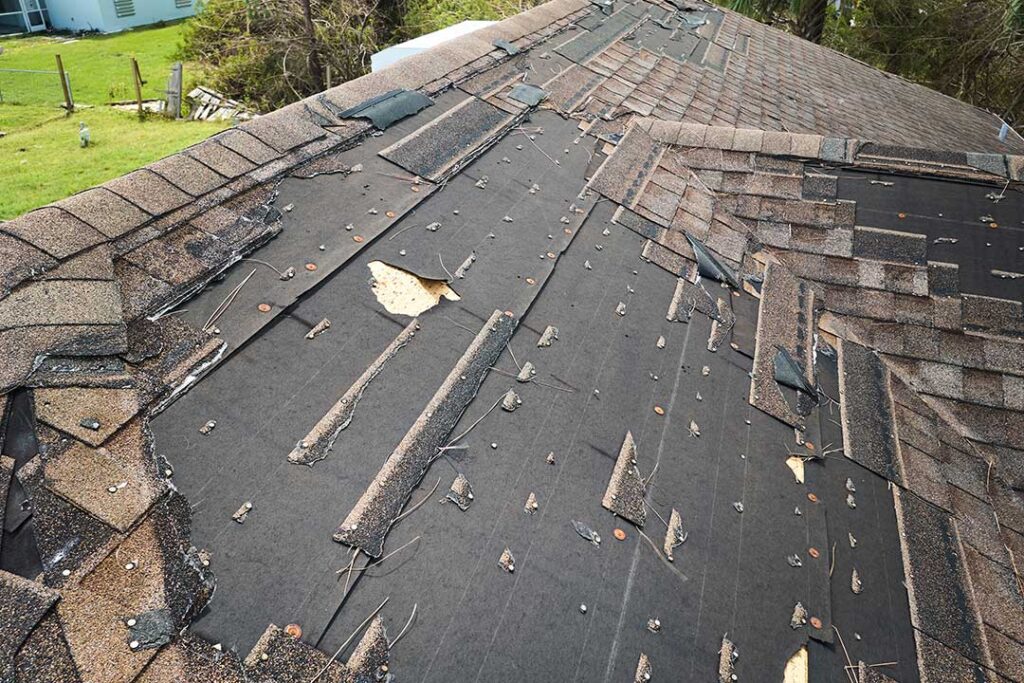
Roof warranties can explain who is responsible for a roofing problem, but they do not guarantee that every leak, storm-related repair, or aging material will be covered. For homeowners in Youngstown, NY, understanding the wording before a problem occurs can prevent confusion about maintenance, weather damage, workmanship, and repair costs.
What does a roof warranty usually cover?
A roof warranty generally covers either the roofing materials, the installation work, or both. These are separate promises and may come from different parties.
A manufacturer’s warranty usually applies to defects in roofing materials. Depending on the product and warranty terms, it may cover problems such as premature deterioration, manufacturing defects, or unusual failure of shingles or other roofing components.
A workmanship warranty addresses installation. It may cover errors such as improper fastening, incorrect flashing installation, or other construction-related defects. The length and terms are typically determined by the installer.
Some roofing systems include an enhanced warranty with broader coverage, but these warranties often have specific requirements involving approved materials, installation methods, documentation, inspections, and maintenance. A longer warranty period does not automatically mean broader protection.
Are roof warranties all the same?
No. The word “warranty” can describe very different levels of coverage.
A warranty may be:
- Limited, covering only listed defects or only a portion of the repair cost.
- Prorated, meaning the amount covered decreases as the roof gets older.
- Transferable, allowing coverage to pass to a future owner under certain conditions.
- Non-transferable, ending when the property changes ownership.
- Conditional, requiring maintenance, registration, approved installation, or specific documentation.
- Material-only, excluding labor and removal costs.
- Full-system coverage, potentially including several roofing components when all requirements are met.
The exact language matters more than the headline number. A “lifetime” material warranty, for example, may refer to the expected service life of the product rather than a guarantee that the roof will remain problem-free for the entire owner’s lifetime.
Does a roof warranty cover leaks?
A leak may be covered, but the cause of the leak determines whether a warranty applies.
If water enters because of a manufacturing defect or installation mistake, coverage may be available. If the leak results from storm damage, neglected maintenance, blocked drainage, damaged flashing from another trade, or an aging roof, the warranty may exclude it.
Common exclusions include:
- Wind, hail, fallen branches, and other weather events
- Improper maintenance or failure to address known damage
- Foot traffic, animal damage, or alterations made after installation
- Condensation, ice-related water movement, or interior humidity
- Structural movement or settlement
- Damage caused by other building components
- Work performed by an unauthorized or unapproved party
- Materials installed outside the manufacturer’s instructions
In a region with cold winters, freeze-thaw cycles, snow, wind, and occasional lake-effect conditions, a roof can experience stresses that are not considered manufacturing or workmanship defects. A warranty does not replace property insurance, and insurance does not replace a warranty.
What is the difference between a roof warranty and homeowners insurance?
A roof warranty generally concerns defects in materials or installation. Homeowners insurance is intended to address sudden, accidental, or covered events under the policy, such as certain wind or hail damage.
Neither document covers every possible problem. Insurance policies have deductibles, exclusions, limits, and reporting requirements. Warranties also contain exclusions, time limits, and procedural requirements.
For example, a roof leak caused by defective flashing might fall under workmanship coverage, while shingles damaged by a severe wind event might involve an insurance claim. A roof that has simply reached the end of its useful life may fall under neither.
When the cause is unclear, photographs, inspection notes, weather records, invoices, and maintenance documentation can help distinguish gradual deterioration from a sudden covered event.
What should homeowners check before accepting a warranty?
The most useful time to review a warranty is before roofing work begins. Homeowners should retain the complete written documents rather than relying on a brochure, invoice, or verbal explanation.
Important questions include:
- Who provides the warranty?
- What materials and roof areas are covered?
- Is labor included?
- Are removal, disposal, flashing, ventilation, and interior repairs included?
- When does coverage begin?
- Does coverage decrease over time?
- Is registration required?
- Is the warranty transferable if the home is sold?
- What maintenance is required?
- What events or conditions are excluded?
- How must a claim be reported?
- Who investigates the problem?
- Are arbitration, notice, or deadline requirements included?

A warranty may also cover shingles but exclude underlayment, flashing, ventilation components, skylights, or gutters. Those items may have separate warranties or no long-term coverage at all.
Can a roof warranty be voided?
A warranty can be limited or denied if its conditions are not followed. “Voided” is often used broadly, but the actual document may state that certain exclusions apply rather than canceling every form of coverage.
Potential problems include unauthorized repairs, failure to register the product, installation over unsuitable existing layers, poor attic ventilation, or modifications that interfere with drainage. Pressure washing, painting, coating, or sealing roofing materials may also affect coverage if the manufacturer prohibits those actions.
Homeowners should not assume that routine maintenance is unnecessary simply because a roof is under warranty. Keeping drainage paths clear, observing damaged flashing or loose components, and documenting repairs can help preserve available coverage.
What maintenance is relevant in this climate?
Roof warranties commonly require reasonable care, and local seasonal conditions make that practical requirement especially important.
Useful maintenance records may include:
- Dates of roof inspections
- Photographs of the roof and flashing
- Gutter and downspout cleaning
- Removal of leaves, branches, or accumulated debris
- Documentation of storm-related observations
- Records of repairs and the materials used
- Notes about attic moisture, condensation, or ventilation concerns
Snow should not normally be removed by walking on the roof, particularly when surfaces are icy or brittle. Heavy snow, ice buildup, or a suspected structural problem can create safety hazards. Roof access should be limited when conditions are slippery, and urgent concerns involving sagging, active water entry, or electrical hazards may require qualified assistance.
What happens when a warranty claim is denied?
A denial should identify the reason and the specific warranty language involved. Homeowners can ask for the decision in writing, including whether the issue was classified as a material defect, installation problem, maintenance issue, storm damage, or an excluded condition.
Useful steps include:
- Keep the original warranty, invoices, product information, and photographs together.
- Request an inspection report or written explanation.
- Compare the explanation with the exclusions and claim procedures.
- Avoid making permanent repairs before the responsible party has had a reasonable opportunity to inspect, unless immediate action is needed to prevent further damage.
- Document temporary measures and related expenses.
- Check whether another warranty or insurance policy may apply.
A second opinion can be useful when the cause of a problem is disputed, but any additional work should be documented carefully. A repair made by another party may affect the original warranty if it changes the roofing system or prevents an inspection.
Does a roof warranty transfer when a home is sold?
Sometimes, but transfer rules vary widely. Some warranties end automatically at sale, while others allow one transfer if the new owner submits paperwork within a stated period. A transfer may also reduce the remaining coverage or eliminate certain benefits.
Home sellers should locate the original documents, receipts, registration information, and records of repairs. Buyers should ask whether the roof warranty is transferable before relying on it as part of a home purchase. The roof’s age, installation history, visible condition, and maintenance record still matter even when a warranty remains active.
A warranty is useful protection, but it is not a substitute for understanding the roof system itself. Knowing what is covered, what is excluded, and what documentation is required makes it easier to respond calmly when a leak, storm event, or material concern develops.
