
A roof that is ready for winter should shed water reliably, handle snow and ice without avoidable stress, and allow warm, moist indoor air to escape properly. Preparing before freezing weather arrives is usually safer and more effective than trying to diagnose problems during a storm.
For households in Youngstown, NY, winter preparation should account for repeated freeze-thaw cycles, snow, wind, ice buildup, and long periods when roof surfaces remain cold and shaded.
What should be checked before winter?
The most useful inspection begins with the roof surface, edges, drainage system, attic, and areas where the roof meets walls or penetrations. A problem that seems minor in autumn can become more difficult to manage after water freezes.
Look for:
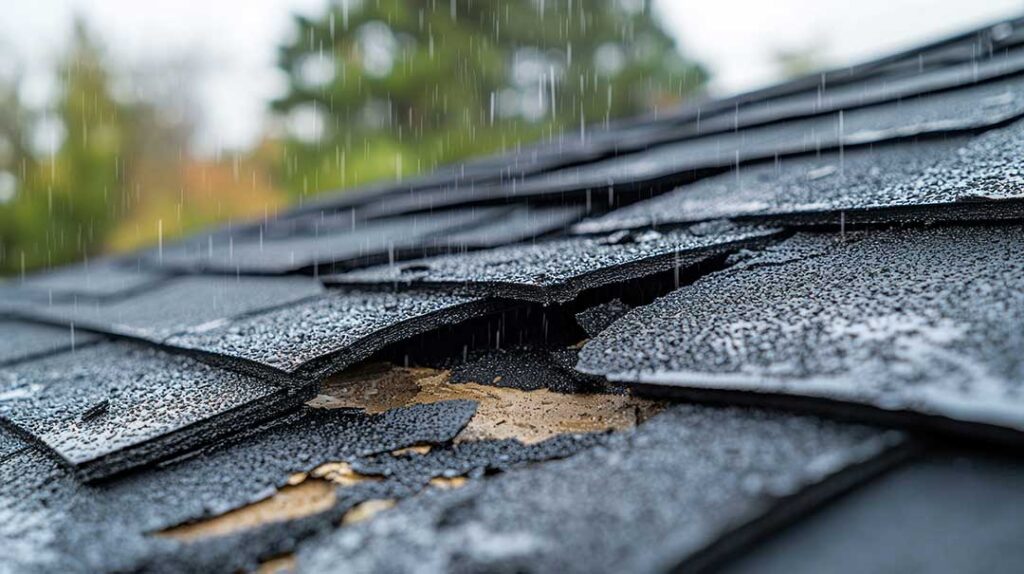
- Missing, cracked, curled, or loose shingles
- Exposed nail heads or areas where roofing material has lifted
- Damaged flashing around chimneys, vents, skylights, and wall intersections
- Sagging roof lines or uneven sections
- Granules collecting heavily in gutters or at downspout outlets
- Peeling paint, water stains, or damp insulation in the attic
- Blocked gutters and downspouts
- Moss, leaves, or debris holding moisture against the roofing surface
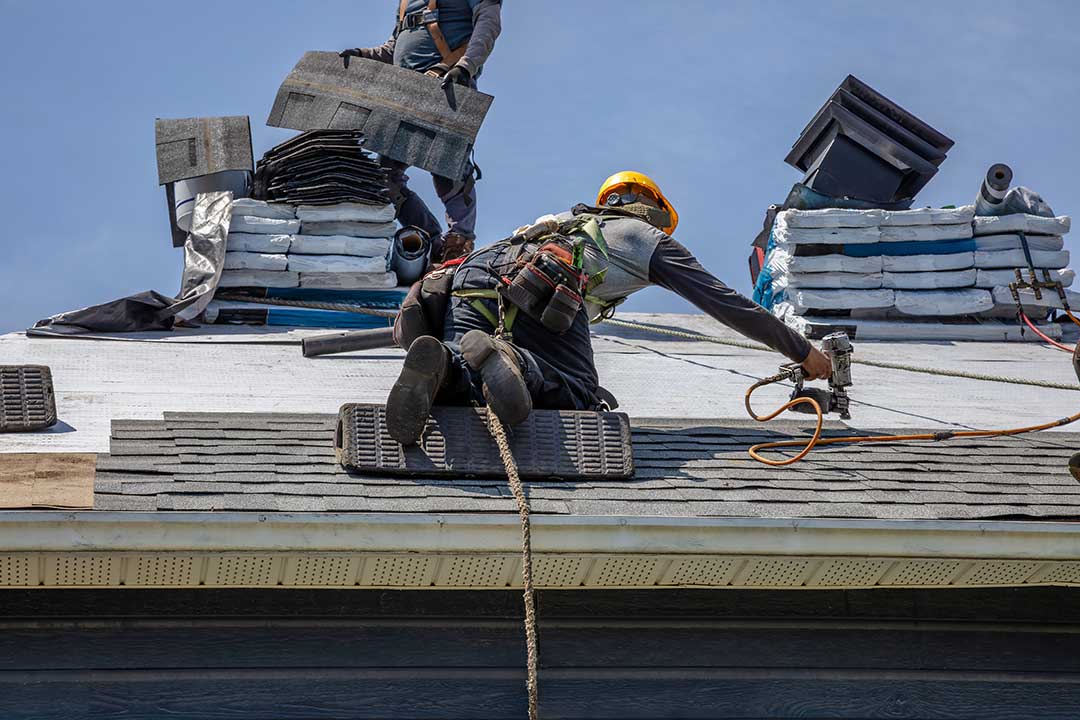
A ground-level inspection can identify many warning signs, but climbing onto a roof in cold, wet, or windy conditions creates a serious fall risk. Binoculars can help with visual checks from the ground.
Why do gutters and downspouts matter in winter?
Gutters and downspouts direct melting snow and rain away from the roof edge and foundation. If they are clogged, water can back up beneath roofing materials, collect near the eaves, or freeze into heavy ice formations.
Before winter:
1. Remove leaves, twigs, roof granules, and other debris from the gutters.
2. Confirm that each downspout is securely connected.
3. Make sure water exits far enough away from the foundation.
4. Check for sagging sections or seams that leak.
5. Look for downspouts that discharge onto walkways, stairs, or other areas where freezing water could create hazards.
Do not assume a clean gutter will remain clear all winter. Snow sliding from the roof, ice, and windblown debris can restrict drainage later in the season. After major storms, a visual check from the ground is useful.
How can ice dams be prevented?
Ice dams form when heat escapes into the attic and warms parts of the roof. Snow melts on the warmer surface, flows toward a colder eave, and refreezes. The resulting ice can block drainage and allow meltwater to move beneath roofing materials.
The main prevention strategy is not simply removing snow. It is keeping the roof surface at a more consistent temperature through proper attic insulation, air sealing, and ventilation.
Common contributors include:
- Insufficient insulation above heated rooms
- Gaps around light fixtures, pipes, ducts, and attic access panels
- Bathroom or kitchen exhaust fans venting into the attic
- Inadequate intake or exhaust ventilation
- Warm air leaking through recessed fixtures or other ceiling openings
- Heavy snow cover combined with uneven roof temperatures
Attic ventilation should not be treated as a substitute for insulation or air sealing. A balanced system generally needs both a path for cooler outside air to enter near the eaves and a path for warmer air to leave higher on the roof. Blocking vents with insulation or stored items can interfere with this movement.
Should snow be removed from the roof?
Most roofs are designed to support typical regional snow loads, but snow removal may be appropriate when accumulation is unusually deep, wet, or uneven, or when warning signs appear.
Watch for:
- New sagging in the roof structure
- Doors or windows that suddenly stick because of structural movement
- Cracks, popping sounds, or unusual movement indoors
- Large amounts of snow concentrated in one area
- Snow accumulation next to higher roof sections, dormers, or valleys
- Ice and snow pulling visibly on gutters or roof edges
Roof snow removal is hazardous because of slippery surfaces, hidden ice, overhead hazards, and the possibility of damaging shingles. Using a long-handled roof rake from a stable position may reduce some risk, but it still requires care. Do not chip ice aggressively with a shovel, axe, or similar tool, since the impact can damage roofing materials and flashing.
If structural distress is visible or suspected, people should stay clear of the affected area and obtain qualified assistance. A roof that appears to be shifting is a safety concern, not a routine maintenance task.
What should homeowners check inside the attic?
The attic often reveals winter problems before they become visible in living areas. On a dry day before sustained freezing weather, inspect for:
- Darkened wood or water stains
- Frost on nails or roof sheathing
- Damp insulation
- Mold-like growth caused by persistent moisture
- Compressed or missing insulation
- Air leaks around the attic hatch, plumbing vents, chimneys, and wiring openings
- Exhaust ducts that terminate inside the attic instead of outdoors
Frost on the underside of roof sheathing can indicate that warm indoor air is reaching the attic and condensing. When temperatures rise, that frost may melt and resemble a roof leak.
Bathroom fans should discharge outdoors through properly sealed ducts. Indoor moisture from showers, cooking, drying clothes, and humidifiers can increase condensation in a cold attic. Using exhaust fans during and after moisture-producing activities can help reduce this load.
How should roof plumbing and exterior fixtures be protected?
Roof penetrations and exterior water systems deserve special attention because they are common paths for leaks and freezing damage.
Before winter, check that:
- Plumbing vent flashings are intact and not cracked
- Chimney flashing is secure and free of visible gaps
- Skylight edges show no signs of deterioration
- Satellite, antenna, or other penetrations do not have loose sealants
- Hose connections are disconnected and stored if required by the fixture
- Exterior faucets are protected from freezing where appropriate
- Attic water lines are insulated when they pass through cold areas
Do not seal over a suspected leak with caulk alone. Sealants can deteriorate, and they may conceal a larger flashing or drainage problem.
What should be done after the first major storm?
After heavy snow, strong wind, or a rapid thaw, inspect from the ground and from inside the attic. Look for displaced shingles, hanging gutters, icicles connected to roof edges, new ceiling stains, and wet insulation.
Large icicles do not always mean an ice dam is present, but they can signal that melting water is freezing repeatedly at the eaves. Never stand beneath a roof edge where ice may fall, and keep children and pets away from areas below heavy overhangs.
If water is entering the home, place containers beneath active drips, move valuables away from the area, and document the location. Avoid disturbing wet electrical equipment. Electrical hazards, structural movement, and active leaks near light fixtures require immediate caution.
Preparing a roof for winter is mainly a matter of finding weak points before snow, ice, and freeze-thaw cycles expose them. A careful seasonal inspection, clear drainage, a dry and properly ventilated attic, and attention to roof-edge hazards can help protect the home through the cold-weather months.
